

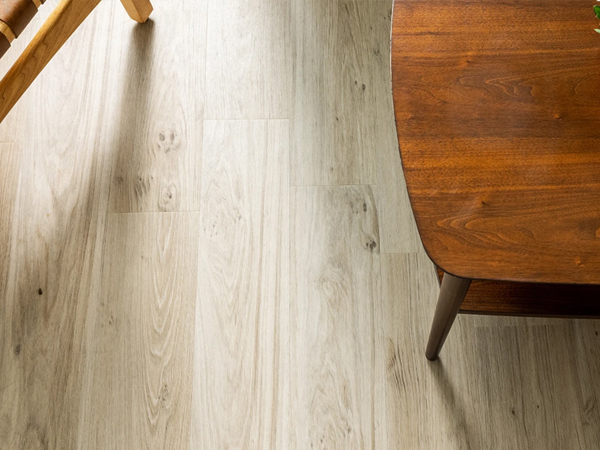
Laminate flooring is often chosen for its clean look and everyday practicality, but what lies beneath the surface plays an equally important role. The core layer is what gives laminate its strength, stability, and ability to handle real life use.
At Carpet Trends, work across Rye, New Canaan, and surrounding areas often starts with understanding how a space will function before selecting materials. When it comes to laminate, that means paying close attention to the core, especially the difference between HDF and MDF.
Why the core layer plays such a big role
The core acts as the structural backbone of laminate flooring. It supports the wear layer, keeps planks aligned, and helps the floor respond to pressure, movement, and daily activity.
When reviewing flooring materials and construction details, it becomes clear that two laminate floors can look identical but perform very differently depending on the core.
A stronger core helps prevent issues like denting, shifting, and early wear, especially in active households.
HDF vs MDF at a glance
Both HDF and MDF are engineered wood fiber boards, but the way they are compressed creates a meaningful difference in density and performance.
What makes HDF a stronger option
High Density Fiberboard is manufactured under higher pressure, resulting in a tighter and more durable core. This added density allows it to handle heavier foot traffic and resist impact more effectively.
It also supports stronger locking systems between planks, which helps maintain alignment and reduces movement over time.
Where MDF still fits in
Medium Density Fiberboard has a lower compression level, which creates a slightly softer feel underfoot. While it is not as durable as HDF, it can still perform well in spaces with lighter use.
Rooms like guest bedrooms or low traffic areas may benefit from MDF when durability demands are lower.
Choosing the right core for each space
The best laminate core depends on how the room is used, not just how the flooring looks. Matching the core to the environment helps protect the investment and improve long term performance.
- Choose HDF for high traffic areas like living rooms and hallways
- Use MDF in low traffic spaces where impact is minimal
- Consider moisture exposure when selecting the core type
- Prioritize durability in rooms with heavy furniture or frequent use
Performance over time
Laminate flooring should maintain its structure and appearance over years of use. HDF cores tend to perform better in demanding environments because they are less likely to compress or shift under pressure.
MDF can still work well when used in the right setting, but it may not offer the same resistance to long term wear.
Proper installation also plays a major role. A level surface and correct preparation help the core perform as intended and reduce the risk of movement or uneven wear.
Small details that make a lasting difference
The core layer is not visible, but it influences how the floor feels and performs every day. It affects stability, durability, and how well the planks stay aligned over time.
Taking the time to choose the right core type ensures the flooring not only looks good at installation, but continues to perform the way it should.
Talk with our team about choosing the right laminate core
Choosing the right laminate core is easier when the space is evaluated properly from the start. Get in touch with our team to find the right flooring solution for each room and make sure every layer works together as it should.


