

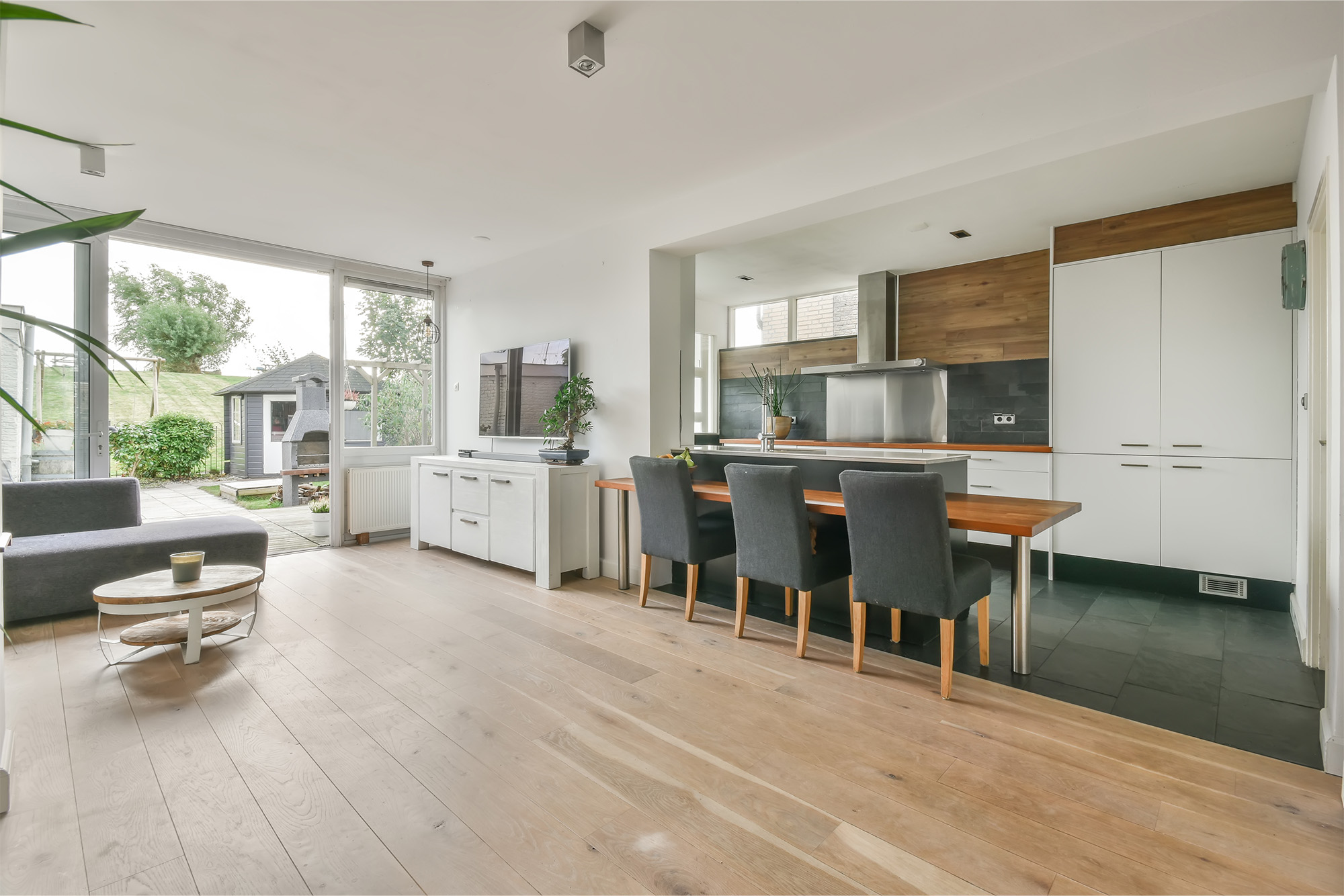
Echoes, clattering footsteps, and transmitted noise can detract from the peace of a well-designed home or business environment. Hard surfaces like tile, glass, and concrete reflect sound waves, creating loud and distracting acoustics. Strategic flooring design plays a vital role in acoustic management, reducing noise transmission between floors and absorbing ambient sound to create calm, comfortable interiors.
Understanding Sound Absorption and Impact Noise
Acoustic comfort in architecture involves managing two main types of sound: airborne noise and impact noise.
Airborne Noise: Sounds traveling through air, such as speech, televisions, and music.
Impact Noise: Physical impacts on building structures, such as footsteps, moving furniture, or dropped objects.
Hard surface materials naturally reflect airborne sound and transmit impact vibrations through subfloors. Soft floor coverings, by contrast, act as natural acoustic absorbers. The porous structure of carpet pile traps sound energy rather than bouncing it back into the room, drastically lowering reverberation time.
High-Performance Flooring Solutions for Quiet Spaces
Different spaces call for targeted acoustic strategies depending on how they are used:
Wall-to-Wall Wool Carpeting: Wool’s multi-layered fiber structure offers extraordinary acoustic performance. It excels in home theaters, master bedrooms, and upper-level hallways where quiet comfort is paramount.
Acoustic Cushion Underlayments: Pairing carpet or luxury vinyl with specialized sound-dampening acoustic pads significantly improves Noise Reduction Coefficient (NRC) and Impact Insulation Class (IIC) ratings.
Custom Area Rugs over Hardwood: Layering thick area rugs with dense felt pads over hardwood or luxury vinyl absorbs reflection in open-concept living rooms without sacrificing the beauty of hard flooring.
Commercial Carpet Tiles: Featuring dense backing systems, modular carpet tiles absorb footstep noise in commercial offices, meeting rooms, and educational spaces.
Balancing Acoustics and Aesthetics
Acoustic control does not require compromising on design. Combining hard and soft materials allows you to define distinct activity zones while keeping overall noise levels comfortable. For instance, using luxury vinyl in high-moisture kitchen zones while transitioning into thick carpeted living areas maintains both practicality and sound balance.
Our staff works closely with homeowners, architects, and commercial designers to select flooring solutions that perform exceptional sound attenuation. For detailed background on our experience with specialized residential and commercial installations, explore our About Us page.
Create a Quiet, Serene Interior
Controlling sound through thoughtful flooring selections improves daily productivity, sleep quality, and overall well-being across your living and working spaces.
If you are ready to evaluate sound-dampening flooring options for your next project, visit our Locations page to locate our nearest showroom and consult with our flooring experts.


