

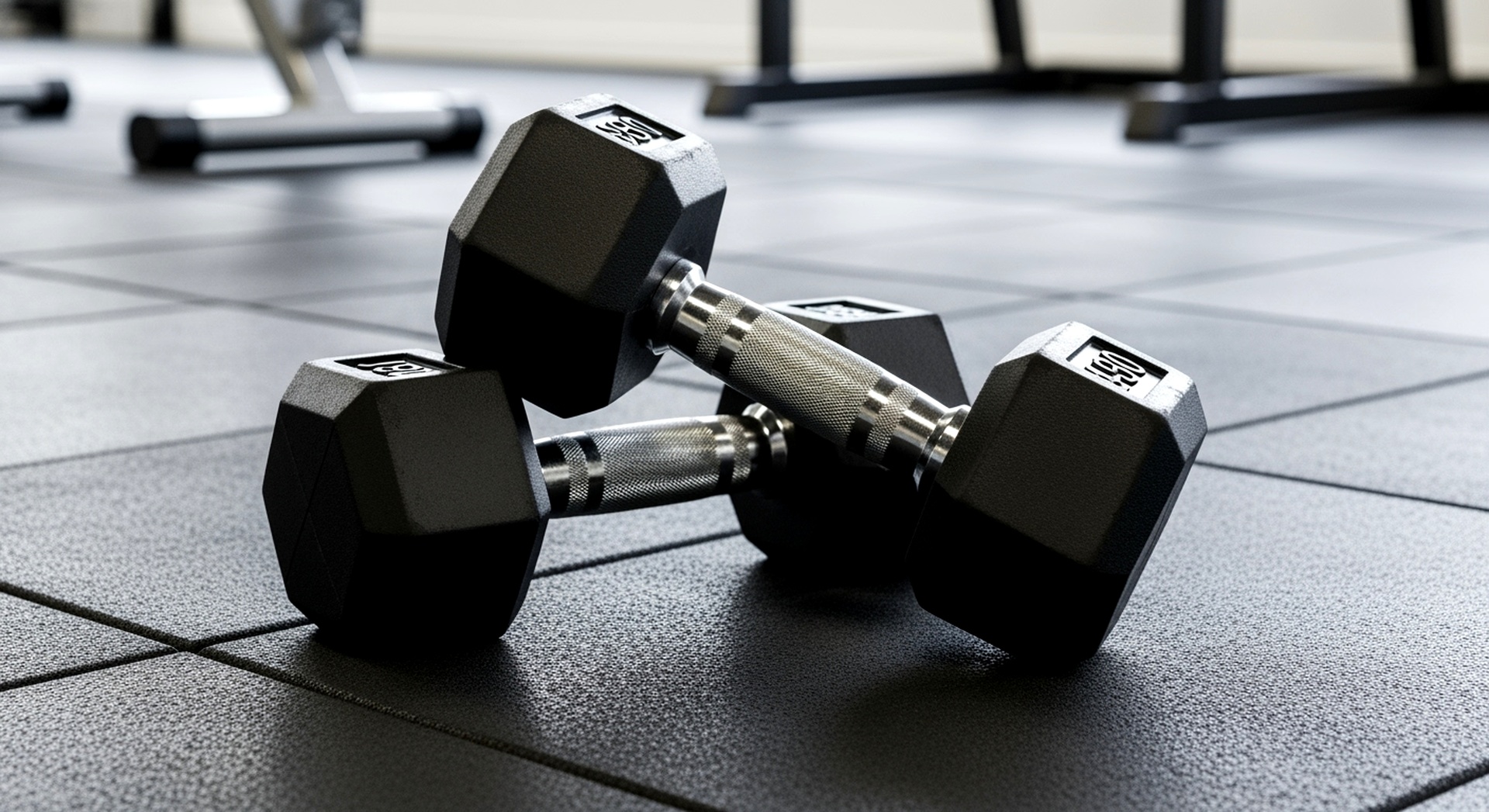
Selecting the right gym flooring is one of the most important decisions when designing a workout space. Whether the goal is to build a dedicated home gym or refresh a full commercial fitness facility, rubber flooring remains a trusted, long-lasting choice. But with two popular formats—rubber tiles and rubber rolls—many homeowners and gym owners wonder which option actually matches their workout habits, equipment load, and space requirements. Both offer durability, shock absorption, and slip resistance, yet each shines in different settings. Understanding their strengths helps shape a gym that feels safe, comfortable, and tailored to your routine.
Comparing the basics of rubber tiles and rolls
Rubber tiles and rubber rolls share core advantages, but how they’re manufactured changes the way they perform. Tiles come as individual interlocking pieces, often in 2’x2’ or 3’x3’ formats. Rubber rolls are large sheets cut to size, typically available in 25’ or 50’ lengths. Tiles stand out for flexibility and easy installation, while rolls excel in seamless coverage and enhanced stability. Before choosing, it helps to explore how each behaves in real fitness conditions.
Why rubber tiles work for flexible workout spaces
Rubber tiles are a customer favorite for home gyms, personal training studios, and multi-purpose areas. Their modular design makes them approachable, especially for installations where cutting and shaping might be overwhelming.
Key reasons tiles stand out:
Easy DIY installation – Interlocking edges snap together, so the flooring can be completed without adhesives or professional tools.
Ideal for small or irregular rooms – Tiles fit easily around corners, nooks, and built-ins.
Simple replacement – If one tile gets damaged, only that section needs to be swapped out.
Great for mixed workouts – They handle anything from bodyweight training to light weights, yoga, pilates, and HIIT.
For people who frequently reconfigure their workout areas or those working with limited square footage, tiles offer both practicality and comfort.
How rubber rolls support heavy-duty training
Rubber rolls bring a different kind of strength to gyms. Because they come in long, continuous sheets, they provide a smoother, more seamless look—an advantage in commercial fitness centers or larger home gym rooms.
Reasons rolls perform so well:
Fewer seams – This creates a cleaner visual finish and reduces the chance of edges lifting during intense movement.
Excellent stability – Ideal for Olympic lifting, heavy racks, weight benches, and high-impact equipment.
Perfect for large rooms – Rolls cover big spaces quickly and efficiently without the puzzle-piece look of tiles.
Professional feel – Rolls offer that classic, sturdy commercial-gym flooring appearance.
For lifters, athletes, and those who want a space that feels fully built-in, rubber rolls often become the best match.
Matching your workout style to the right flooring
Choosing between tiles and rolls comes down to understanding the flow of your daily workouts.
For strength training and heavy equipment
If weightlifting is the main focus, rubber rolls provide the stability needed to support heavy equipment without shifting. Their dense structure helps absorb the force of dropped weights and reduces noise in high-traffic areas.
For cardio and dynamic movement
Tiles work wonderfully for HIIT circuits, functional training, aerobics, and stretching. Their cushioned support helps protect joints, making repeated jumps, lunges, or planks feel more comfortable.
For mixed-use spaces
Many homeowners choose tiles because they can be rearranged. If the gym doubles as a guest room or office, tiles make it easy to remove or adjust the flooring whenever needed.
For commercial fitness studios
Rolls typically offer the long-term durability and polished look that commercial traffic demands. Their seamless finish also makes cleaning easier in busy environments.
Thinking about installation and maintenance
The installation process is often a deciding factor. Tiles are a simple weekend project—no adhesives, no specialized tools, no complicated layout. Rolls, on the other hand, usually require professional installation because of their weight and need for precise alignment. Once installed, both options are low maintenance. A quick sweep and occasional mop with a mild cleaner keep them looking fresh.
When thinking long term, tiles give flexibility, while rolls offer permanence. For homeowners or facility managers planning a high-performance space with minimal seams, rolls are ideal. For those who like adaptability, tiles deliver unmatched convenience.
Which one is right for you?
Rubber tiles cater to versatility, small rooms, and DIY-friendly setups. Rubber rolls deliver professional results, strength under heavy equipment, and a seamless finish. Both offer durability, safety, and comfort—so choosing the right one comes down to how the space will be used and how permanent the setup needs to be. Once those details are clear, the flooring decision becomes much easier.
For expert guidance, quality rubber flooring options, and trusted support from a team that has been serving Rye, NY, and surrounding communities since 1956, Carpet Trends is here to help. Visit our showroom or reach out today to explore rubber tiles, rubber rolls, and custom solutions tailored to the way you train.


