

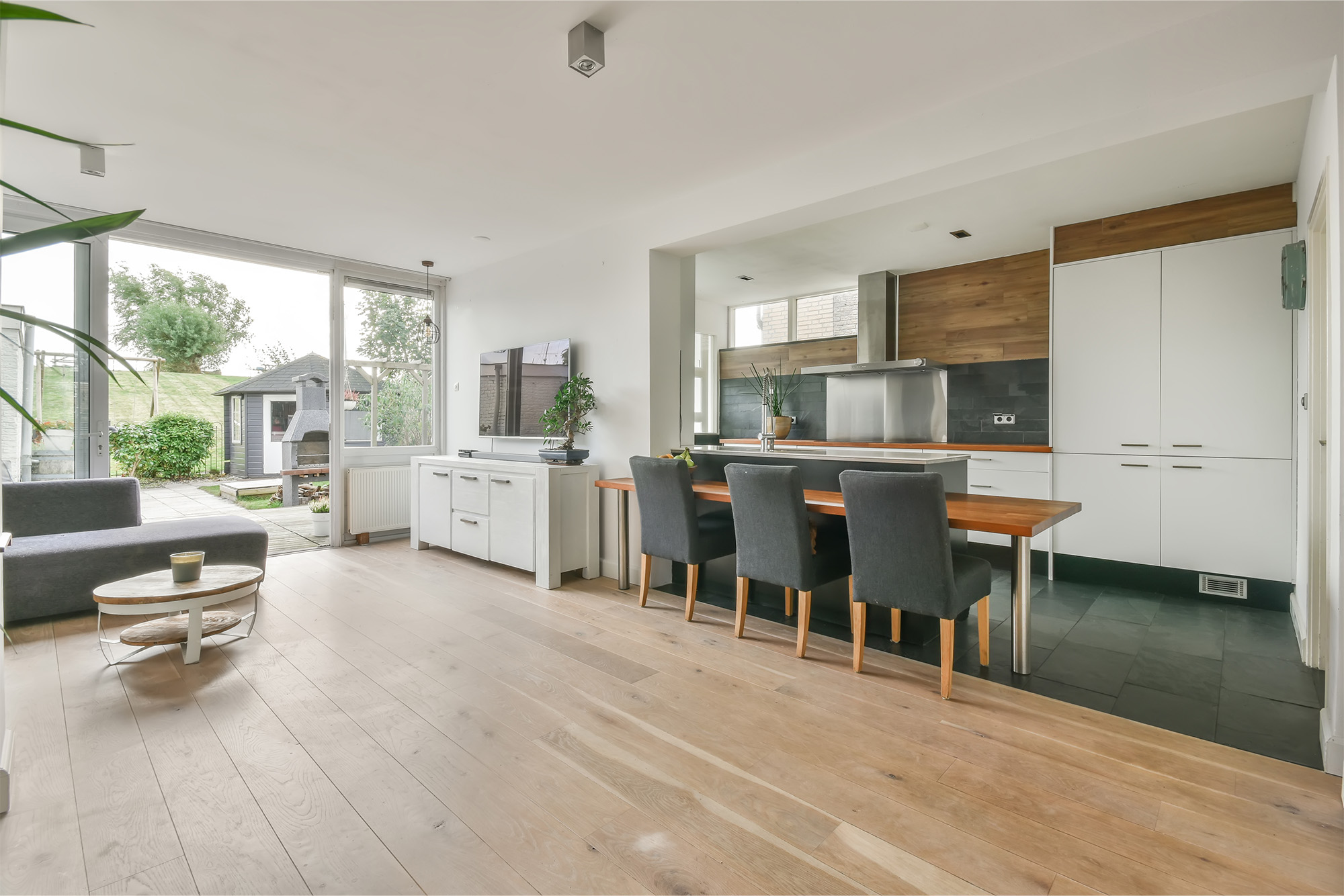
Few flooring debates come up as often as hardwood versus luxury vinyl. Both offer beautiful, natural-looking finishes, and both have loyal fans among homeowners and designers alike. But they're built very differently, and each comes with its own set of tradeoffs. If you're stuck deciding between the two, understanding how they perform in real homes — not just in a showroom — can make the decision much easier.
The Timeless Appeal of Hardwood
There's a reason hardwood floors have remained a top choice for generations: they bring warmth, character, and long-term value to a home that's hard to replicate. Each plank has natural grain variation, meaning no two hardwood floors look exactly alike. Hardwood also tends to increase resale value more than most other flooring types, making it a strong choice for homeowners planning to sell down the line.
Where Hardwood Falls Short
The tradeoff for that natural beauty is vulnerability to moisture. Hardwood can warp, cup, or stain if exposed to standing water, which makes it a riskier choice for kitchens, bathrooms, and basements. It also tends to be a bigger upfront investment, both in material cost and installation labor, compared to many alternatives.
Luxury Vinyl's Rise in Popularity
Luxury vinyl plank and tile have exploded in popularity over the past several years, and it's easy to see why. Advances in printing and texturing technology mean today's luxury vinyl can convincingly mimic the look of hardwood, stone, or ceramic tile, often to the point where it's difficult to tell the difference at a glance.
Built for Real Life
Unlike hardwood, luxury vinyl is fully waterproof, making it a practical choice for kitchens, bathrooms, mudrooms, and basements where moisture is a daily concern. It's also more resistant to scratches and dents from pets or furniture, and its layered construction adds a bit of cushioning and sound insulation underfoot that solid hardwood can't offer.
Comparing Long-Term Costs
While hardwood can be refinished multiple times to extend its life, luxury vinyl generally isn't refinishable — once it's worn out, it needs to be replaced. That said, luxury vinyl's lower upfront cost and minimal maintenance needs often offset that difference over a typical ownership period, especially in high-moisture or high-traffic areas.
Making the Right Choice Room by Room
Many homeowners find the smartest solution isn't choosing one material for the entire home, but combining both: hardwood in living and dining areas where its warmth and value shine, and luxury vinyl in kitchens, baths, and basements where durability against moisture matters most.
Getting Personalized Recommendations
Every home has different needs, and the hardwood-versus-vinyl decision often comes down to specifics that are hard to judge from a website alone. A team with real, hands-on flooring experience — like the one you can read about Carpet Trends — can help you weigh those tradeoffs against your budget, lifestyle, and design goals.
Ready to compare samples side by side? Visit one of our Carpet Trends locations to see and feel both hardwood and luxury vinyl options in person before making your decision.


