

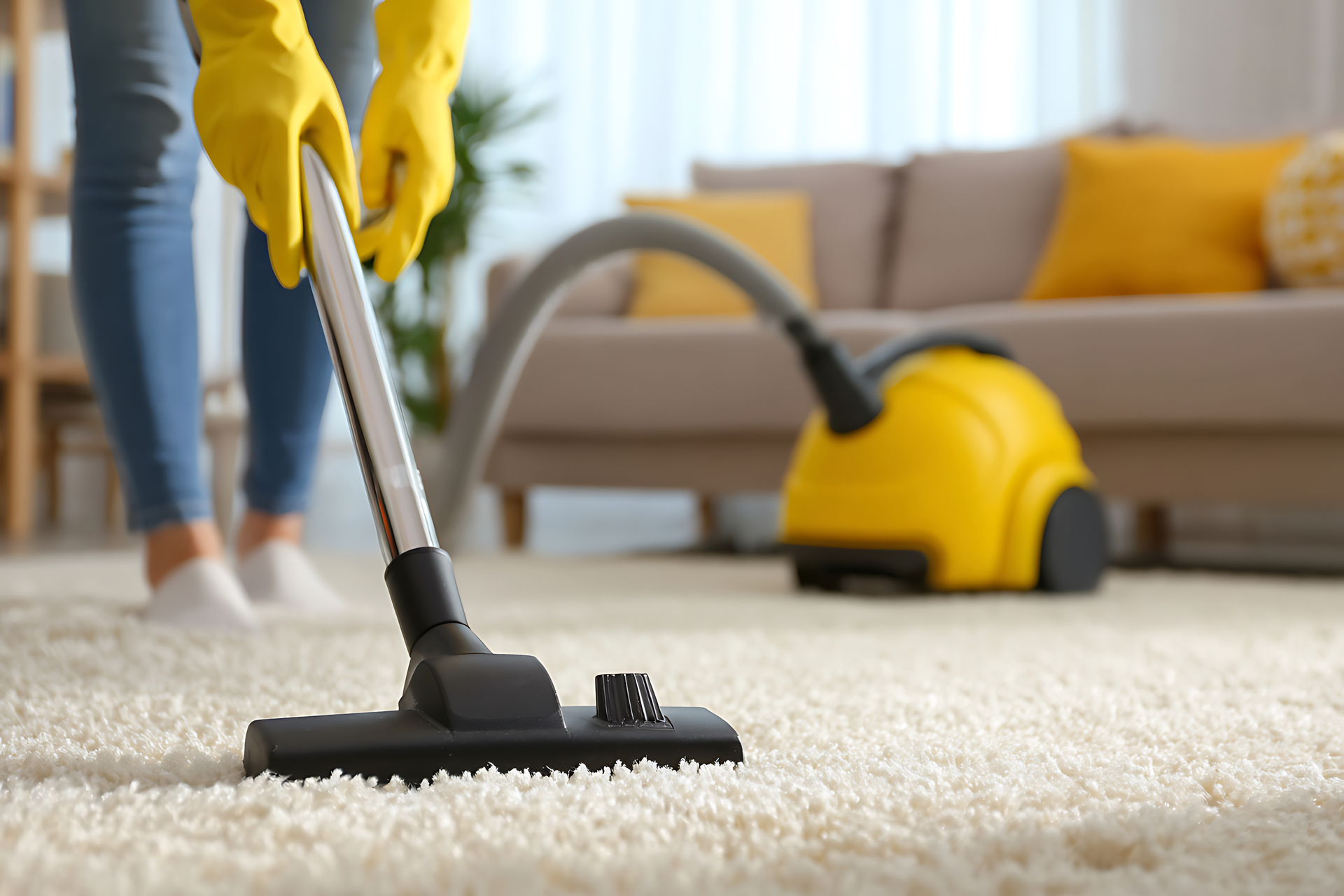
What to do the moment your carpet gets wet
It starts with something small. A pipe that lets go overnight. A washing machine hose that finally gives up. A window left open during a Westchester rainstorm that rolls through harder than expected. You wake up, step onto the carpet, and feel that unmistakable cold squish underfoot.
What happens in the next 24 to 48 hours matters more than most people realise. Wet carpet is not just uncomfortable — it is a ticking clock. Mold can begin to develop in as little as 24 hours when moisture is trapped in fibers and padding. The good news is that if you act quickly and work methodically, you can often salvage the carpet and protect your home.
Here is what to do.
1. Get the water source under control first
Before anything else, stop what is causing the water. A burst pipe, an overflowing appliance, a leaking roof — none of the drying tips below will help if the source is still active. Turn off the water supply if needed, and contact a plumber or water damage professional if the situation is beyond a quick fix. Drying a carpet that is still getting wet is like bailing out a boat with the drain still open.
2. Remove standing water immediately
Once the source is contained, get the water out as fast as possible. A wet/dry shop vacuum is your best tool here. Go slowly and make multiple passes — carpet holds far more water than it looks like it does. Avoid using a regular household vacuum, which is not built for liquid and can be damaged or create a safety risk.
If you do not own a wet/dry vac, now is the time to borrow one, rent one, or call a professional. Every hour counts.
3. Pull back the carpet and address the padding
This is the step most homeowners skip, and it is often why mold problems show up weeks later even after the surface appears dry. Carpet padding absorbs an enormous amount of water and is extremely slow to dry on its own. In most cases, the padding will need to be removed and replaced entirely — it is not worth trying to dry and salvage it. Pull back the carpet carefully from one corner and assess what you are dealing with underneath.
4. Run fans and dehumidifiers continuously
Once you have removed as much standing water as possible, air movement becomes your closest ally. Set up fans to blow directly across the wet surface and run a dehumidifier in the room to pull moisture out of the air. Keep windows closed if the outdoor humidity is high — bringing in humid air on a warm summer day in Harrison or Larchmont can actually slow the drying process rather than speed it up.
Keep equipment running for at least 48 hours. Check the carpet regularly by pressing a dry cloth firmly into the fibers. If it comes up damp, keep going.
5. Lift the carpet off the floor to dry both sides
If possible, fold sections of the carpet back to allow both the face and the backing to dry. The backing and the subfloor beneath it are where mold is most likely to take hold if moisture lingers. Use blocks or buckets to prop the carpet up and keep air circulating underneath. If the subfloor is concrete, wipe it down thoroughly and allow it to dry completely before laying the carpet back down.
6. Treat for mold and mildew as a precaution
Even if you move fast, it is smart to apply a mold-inhibiting treatment to both the carpet backing and the subfloor before the carpet is put back in place. Products specifically designed for this purpose are available at most hardware stores. Do not skip this step, especially in rooms with limited airflow or homes in areas that tend toward humidity.
If you detect a musty smell at any point during the drying process, that is mold telling you it has already started. At that stage, professional cleaning or replacement becomes necessary rather than optional. Our carpet cleaning and repair services team has worked through exactly these situations and can assess what is salvageable and what needs to go.
7. Know when replacement is the smarter call
Sometimes, despite your best efforts, the carpet cannot be saved. If the flooding involved contaminated water (from a sewer backup or flood waters from outside), replacement is almost always the right decision regardless of how dry the carpet appears. The same applies if the carpet has been wet for more than 48 hours before drying begins, or if mold is visible in the fibers or padding.
This is also a natural moment to reconsider your flooring choice in areas that are prone to moisture. Bathrooms, basements, laundry rooms, and entryways in Rye and New Canaan homes are all candidates for a water-resistant option. Learning about how luxury vinyl flooring resists water damage and moisture is a worthwhile read if you are weighing your next steps.
Talk to the flooring experts at Carpet Trends
Whether you are dealing with water damage now or want to make a smarter flooring choice going forward, our team at Carpet Trends is here to help. Serving homeowners across Rye, Scarsdale, Greenwich, Darien, and throughout Westchester and Fairfield County, we bring decades of hands-on expertise to every flooring situation. Visit our showrooms in Rye, NY or New Canaan, CT, or request a free estimate and let one of our seasoned specialists walk you through your options.


